
Anúncios
Radio apps have revolutionized how we consume audio content, bringing thousands of stations from around the world directly to our smartphones with just a tap.

Anúncios
Gone are the days when listening to radio meant being tethered to a physical device with limited signal range. Today’s radio applications offer unprecedented freedom, allowing users to explore global broadcasts, discover niche programming, and enjoy crystal-clear audio quality regardless of geographic boundaries.
Whether you’re commuting to work, exercising at the gym, or relaxing at home, radio apps provide the perfect soundtrack to your daily activities. They combine the nostalgic charm of traditional radio with modern features like personalized recommendations, podcast integration, and on-demand content that fits seamlessly into our digital lifestyles.
📻 Why Radio Apps Are Taking Over Traditional Broadcasting
Anúncios
The shift from traditional FM/AM receivers to digital radio applications represents more than just technological progress. It reflects a fundamental change in how audiences consume audio entertainment and information.
Traditional radio had limitations that frustrated many listeners. Poor signal quality in certain areas, limited station variety based on geographic location, and the inability to pause or rewind live broadcasts were common complaints. Radio apps solve these problems elegantly while adding layers of functionality that traditional broadcasting simply cannot match.
Streaming technology has made it possible to access radio content without the interference, static, or signal loss that plagued conventional receivers. Internet connectivity provides stable, high-quality audio that remains consistent whether you’re in a basement, a high-rise building, or traveling between cities.
The convenience factor cannot be overstated. Your smartphone is already with you constantly, making it the perfect radio receiver. There’s no need to purchase separate equipment, install antennas, or worry about battery-powered devices. Everything you need is integrated into a device you already carry everywhere.
🌍 Accessing Global Content From Your Pocket
One of the most compelling features of radio applications is their ability to demolish geographic barriers. You can listen to a jazz station broadcasting from New Orleans, catch up on news from the BBC in London, or enjoy traditional music from stations in Tokyo—all without leaving your living room.
This global accessibility has created opportunities for cultural exchange that were previously impossible for most people. Language learners use radio apps to immerse themselves in authentic native speech. Expatriates stay connected to their home countries through familiar voices and music. Music enthusiasts discover genres and artists they would never encounter on local stations.
The diversity of available content is staggering. Sports fans can follow their favorite teams through dedicated sports radio networks. News junkies can switch between different perspectives on current events. Music lovers can explore specialized stations dedicated to specific decades, genres, or moods.
🎵 Features That Make Modern Radio Apps Indispensable
Today’s radio applications come packed with features that enhance the listening experience far beyond what traditional radio could ever offer.
Personalization and recommendations: Advanced algorithms learn your preferences over time, suggesting stations and programs that match your tastes. The more you use the app, the better it becomes at curating content specifically for you.
Sleep timers and alarms: Many apps let you fall asleep to your favorite station and automatically shut off after a set period. You can also wake up to specific stations instead of jarring alarm sounds, creating a gentler start to your morning.
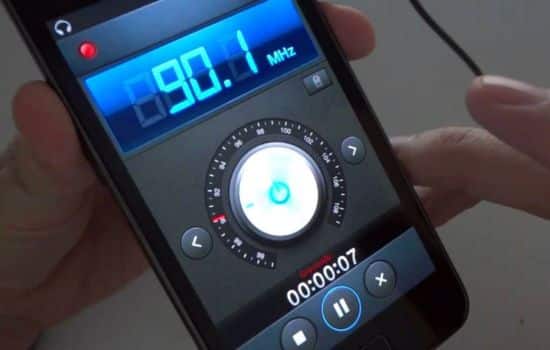
Recording capabilities: Some radio apps allow you to record live broadcasts, ensuring you never miss important segments or favorite shows. This feature transforms radio from a fleeting experience into content you can revisit whenever you want.
Podcast integration: The line between live radio and on-demand audio content has blurred considerably. Many radio apps now include podcast directories, letting you seamlessly switch between live broadcasts and pre-recorded shows.
Car mode and hands-free operation: Safety-conscious developers have created interfaces optimized for driving, with large buttons and voice control capabilities that minimize distraction while keeping you entertained on the road.


💡 Choosing the Right Radio App for Your Needs
With hundreds of radio applications available across different platforms, selecting the right one can feel overwhelming. Understanding what matters most to you will help narrow down the options.
Consider the type of content you prioritize. If you’re primarily interested in music discovery, look for apps with extensive station directories organized by genre, mood, and popularity. Apps that display song information and artist details enhance this experience significantly.
For news and talk radio enthusiasts, apps that offer robust search functions and categorization by topic become essential. The ability to quickly find stations covering specific subjects—politics, technology, health, finance—saves time and improves satisfaction.
Audio quality should be a consideration, especially for audiophiles. Some apps offer multiple streaming quality options, letting you choose higher bitrates when on WiFi and lower ones to conserve mobile data. The difference in sound quality can be substantial, particularly when using quality headphones or speakers.
Interface design matters more than many people initially realize. An app you’ll use daily should have an intuitive layout that makes browsing, searching, and switching between stations effortless. Cluttered interfaces with excessive advertising can turn the listening experience frustrating rather than enjoyable.
📱 Data Usage and Offline Listening Considerations
Streaming radio consumes data, which is an important factor for users without unlimited mobile plans. Understanding how radio apps handle data can help you make informed choices and avoid unexpected charges.
Most radio apps stream at bitrates between 64 kbps and 320 kbps. At the lower end, you’ll use approximately 28 MB per hour, while high-quality streams can consume up to 140 MB hourly. Over a month of regular listening, this adds up significantly.
Many modern radio applications include settings to control data usage. You can select lower quality streams when using cellular data and automatically switch to higher quality when connected to WiFi. Some apps provide detailed statistics showing exactly how much data you’ve consumed.
Offline listening capabilities vary by app. While true radio requires an internet connection by definition, some apps allow you to download podcast episodes or recorded shows for offline playback. This hybrid approach gives you audio content even when connectivity is unavailable.
WiFi-only modes can be useful for managing data consumption. When enabled, the app will only stream when connected to WiFi networks, preventing accidental data usage. This feature is particularly valuable for parents who provide devices to children.
🎧 Enhancing Your Listening Experience
Getting the most from your radio app involves more than just opening it and pressing play. Small optimizations can significantly improve your overall experience.
Invest in decent headphones or speakers. Even the best radio app streaming the highest quality audio will sound mediocre through poor output devices. You don’t need expensive equipment, but avoiding the cheapest options makes a noticeable difference.
Create favorites and presets for stations you return to regularly. Most apps allow you to build custom lists, eliminating the need to search for the same stations repeatedly. Organizing favorites by category—music, news, sports—streamlines access further.
Explore discovery features rather than sticking only to familiar stations. Many apps include “similar stations” suggestions or curated collections that introduce you to broadcasts you might love but would never find through basic searching.
Take advantage of social features if they interest you. Some radio apps let you see what friends are listening to, share stations, or collaborate on playlists. This social dimension can make radio listening more interactive and fun.
Adjust notification settings to match your preferences. Some users appreciate notifications about favorite shows starting or new stations in preferred genres, while others find them intrusive. Customizing these settings ensures the app enhances rather than interrupts your day.
🔒 Privacy and Security in Radio Applications
Like all digital applications, radio apps collect various types of user data. Understanding what information they gather and how they use it helps you make informed decisions about which apps to trust.
Most radio apps track listening habits to improve recommendations and provide usage statistics. This data typically includes which stations you listen to, how long you listen, and what times of day you’re most active. While this enables personalization, it also creates a detailed profile of your interests.
Location data is another common collection point. Apps use your location to suggest nearby stations or content relevant to your area. However, constant location tracking raises privacy concerns for some users. Check whether apps allow you to disable location services while still maintaining core functionality.
Advertising-supported free apps often share data with third-party advertisers. This practice funds the free service but means your information reaches beyond the app developer. Reading privacy policies, though tedious, reveals exactly what data is shared and with whom.
Premium or subscription versions frequently offer enhanced privacy protections, including reduced data collection and no third-party advertising. For privacy-conscious users, the subscription cost may be worthwhile for the additional control over personal information.
🚀 The Future of Radio Applications
Radio apps continue evolving rapidly, with emerging technologies promising even more impressive capabilities in the coming years.
Artificial intelligence is becoming increasingly sophisticated at understanding individual preferences. Future apps may anticipate what you want to hear based on time of day, current activity, or even mood detected through various sensors. This level of personalization could make discovering new content feel almost magical.
Voice control integration with smart assistants is expanding. Seamless commands like “play jazz radio” or “find a station playing 90s rock” already work with major apps, and this functionality will only improve. Voice interaction makes radio more accessible while driving or multitasking.
Interactive and participatory features may blur the line between broadcaster and listener. Some experimental formats allow real-time voting on song selections, live chat with hosts and other listeners, or even crowd-sourced programming where audiences help shape content.
Higher audio quality standards continue advancing. As internet speeds increase and data becomes more affordable, lossless streaming may become standard rather than premium, delivering studio-quality sound to everyday listeners.
Integration with smart home ecosystems is deepening. Radio apps that seamlessly hand off between your phone, smart speakers, car system, and other devices create continuity that makes listening effortless regardless of where you are or what you’re doing.
🎼 Specialized Radio Apps for Niche Interests
Beyond general-purpose radio applications, specialized apps cater to specific interests and communities, offering curated experiences that broad platforms cannot match.
Classical music enthusiasts have apps dedicated exclusively to orchestral, chamber, and operatic programming from stations worldwide. These specialized platforms understand the unique needs of classical listeners, providing detailed program information, composer biographies, and performance details that generic apps overlook.
Sports radio apps aggregate broadcasts from leagues, teams, and sports-talk stations, often including exclusive content and integrated stats. Fans can follow specific teams, receive notifications about game broadcasts, and access post-game analysis all within a single application.
Emergency and public safety radio apps let users monitor first responder communications, weather alerts, and aviation traffic. While these serve practical purposes, they also attract hobbyists fascinated by the operational side of emergency services and transportation.
Religious and spiritual radio apps provide worship services, sermons, and faith-based music from various traditions. These create virtual communities for believers who may not have access to in-person congregations or who want to explore different perspectives within their faith.
Language learning apps incorporate radio stations as immersion tools, helping students develop listening comprehension through authentic native content. Combined with vocabulary tools and slow-speed options, these transform entertainment into educational experiences.
💰 Free vs. Premium: Understanding Radio App Economics
The business models behind radio apps directly impact user experience, making it worth understanding how developers monetize their creations.
Free, ad-supported apps remain the most common model. These generate revenue through audio ads between songs or programs, banner advertisements in the interface, and sometimes video ads that must be watched for continued listening. The trade-off is clear: free access in exchange for advertising interruptions.
Freemium models offer basic functionality at no cost while reserving premium features for paying subscribers. Advanced features might include ad-free listening, offline recording, higher audio quality, or extended skip limits. This approach lets users try before buying while creating revenue from committed fans.
Subscription-only apps charge recurring fees for full access. These typically offer the cleanest experience with no advertisements, maximum audio quality, and comprehensive features. For regular listeners, monthly costs often feel justified by the improved experience.
One-time purchase apps are becoming rare but still exist, particularly among specialized applications. Paying once for permanent access appeals to users who dislike subscriptions, though developers face challenges maintaining and updating apps without recurring revenue.
Understanding these models helps set appropriate expectations. A completely free app without ads likely has limited features or relies on data monetization. Conversely, premium subscriptions should deliver genuinely superior experiences that justify ongoing costs.
🌟 Making Radio Apps Part of Your Daily Routine
Integrating radio applications into your daily life can enhance various activities and moments, creating a richer audio environment throughout your day.
Morning routines become more pleasant with radio as a companion. Rather than starting your day in silence or with jarring alarms, wake to news broadcasts that inform you about the world, upbeat music that energizes you, or calm programming that eases you into the day gently.
Commute time transforms from wasted hours into opportunities for learning, entertainment, or relaxation. Traffic jams become less frustrating when you’re absorbed in an engaging talk show or discovering new music through carefully curated stations.
Work and study sessions benefit from appropriate background audio. Instrumental music stations provide ambiance without lyrical distraction, while some people focus better with talk radio creating a sense of companionship without demanding active attention.
Exercise and physical activity pair naturally with energetic radio programming. Upbeat stations maintain motivation during workouts, while longer runs or bike rides give you time to enjoy extended shows or explore multiple stations.
Evening wind-down periods call for different content. Gentle music, storytelling programs, or relaxed conversation help transition from the day’s demands toward restful sleep. Creating this audio ritual signals to your mind that it’s time to slow down.
📊 Comparing Popular Radio App Features
While specific app recommendations change as platforms update and evolve, understanding what features distinguish quality radio apps helps you evaluate options effectively.
Station directories vary enormously in size and organization. The best apps provide access to tens of thousands of stations with robust search and filtering capabilities. Look for apps that let you browse by genre, location, language, and popularity while also offering detailed station descriptions.
User interface responsiveness separates great apps from mediocre ones. Stations should load quickly, switching between broadcasts should happen instantly, and the app should remain stable even with extended use. Laggy, crash-prone apps ruin the listening experience regardless of content quality.
Audio quality options give you control over the balance between sound fidelity and data consumption. Apps that automatically adjust quality based on connection strength provide the best of both worlds—high quality when possible, reliable streaming when networks are stressed.
Cross-platform availability matters if you use multiple devices. Apps with versions for both iOS and Android that sync favorites and settings between devices create seamless experiences as you move between phone, tablet, and computer.
Customer support and update frequency indicate developer commitment. Apps regularly updated with bug fixes, new features, and expanding station libraries demonstrate ongoing investment that suggests long-term reliability.
🎙️ The Enduring Appeal of Radio in a Streaming World
Despite competition from on-demand streaming services, radio—now delivered through apps—maintains unique advantages that keep millions of listeners engaged daily.
Radio provides curated discovery that algorithm-driven services struggle to match. Talented DJs and programmers introduce audiences to music they would never encounter through personalized recommendations alone. Human curation brings context, storytelling, and unexpected connections that pure data analysis cannot replicate.
The live, communal aspect of radio creates shared experiences increasingly rare in personalized digital media. Knowing that thousands or millions of others are hearing the same broadcast simultaneously fosters a sense of connection, particularly during significant news events or cultural moments.
Radio requires less decision-making than on-demand services. Sometimes the paradox of choice becomes overwhelming—scrolling through countless options without selecting anything. Radio eliminates this paralysis by simply playing something, often introducing you to content you’d never actively choose but end up enjoying.
Local radio stations, accessible worldwide through apps, maintain community connections. Expatriates and travelers stay linked to home through familiar voices and local coverage. Regional stations provide hyperlocal news, weather, and event information that national services cannot match.
The combination of traditional radio’s strengths with modern app capabilities creates something greater than either alone. You get radio’s spontaneity, discovery, and communal nature enhanced by global access, personalization features, and the convenience of always-available mobile technology.
Radio applications represent the successful evolution of one of humanity’s oldest broadcast mediums into the digital age. By preserving what made radio special while adding capabilities our grandparents could never have imagined, these apps ensure that radio remains relevant, engaging, and valuable for new generations of listeners discovering the magic of this enduring medium.
