
Anúncios
GPS apps have revolutionized how we navigate modern cities, travel to unknown destinations, and explore the world with confidence and precision.

Anúncios
Gone are the days when travelers relied solely on paper maps or handwritten directions. Today, GPS applications provide real-time navigation, traffic updates, alternative routes, and even points of interest along your journey. These powerful tools have become essential companions for drivers, cyclists, pedestrians, and adventurers alike.
Whether you’re commuting to work, planning a road trip across the country, or simply trying to find the nearest coffee shop, GPS apps offer unparalleled convenience and accuracy. Let’s explore everything you need to know about these indispensable digital navigation tools.
📍 How GPS Applications Actually Work
Anúncios
GPS technology relies on a network of satellites orbiting Earth that continuously transmit signals. Your smartphone receives these signals from multiple satellites simultaneously, calculating your exact position through a process called trilateration. This sophisticated system determines your location with remarkable accuracy, often within a few meters.
Modern GPS apps combine satellite data with other technologies like Wi-Fi positioning, cellular tower triangulation, and even Bluetooth beacons. This multi-layered approach ensures you receive accurate location information even in challenging environments like urban canyons or indoor spaces where satellite signals might be weak.
The magic happens when these positioning technologies merge with mapping data, traffic information, and user-generated content. The result is a dynamic navigation experience that adapts to real-world conditions, providing you with the best possible route to your destination.
🚗 Top Features That Define Modern GPS Applications
Today’s GPS apps offer far more than basic turn-by-turn directions. They’ve evolved into comprehensive navigation ecosystems packed with features designed to enhance your travel experience and save valuable time.
Real-Time Traffic Intelligence
One of the most valuable features of contemporary GPS applications is live traffic monitoring. These apps analyze data from millions of users, traffic sensors, and historical patterns to predict congestion before you encounter it. When an accident occurs or traffic builds up, your app automatically recalculates your route to avoid delays.
This crowdsourced approach to traffic management has transformed commuting. Instead of sitting in unexpected traffic jams, you receive proactive alerts and alternative routes that can save you significant time during your daily travels.
Voice-Guided Navigation
Hands-free operation has become a standard expectation for GPS apps. Voice commands allow you to set destinations, find nearby services, and adjust settings without taking your eyes off the road. Similarly, voice-guided directions provide clear, timely instructions that help you navigate safely without constantly checking your screen.
The best GPS applications now support natural language processing, understanding commands like “take me home” or “find gas stations nearby” without requiring specific phrases or rigid syntax.
Offline Map Capabilities 🗺️
Recognizing that reliable internet connections aren’t always available, many GPS apps now offer offline map downloads. This feature proves invaluable when traveling internationally, exploring remote areas, or conserving mobile data. You can download entire regions or countries to your device and navigate confidently without an active connection.
Offline maps typically include all essential navigation features, though real-time traffic updates and some dynamic content naturally require connectivity. This balance ensures you’re never truly lost, regardless of your signal strength.
🌟 Popular GPS Applications and Their Unique Strengths
The GPS app market offers diverse options, each with distinctive features tailored to different user preferences and navigation styles. Understanding these differences helps you choose the application that best matches your needs.
Waze: The Community-Driven Navigator
Waze stands out through its strong emphasis on community engagement and real-time reporting. Users actively share information about traffic conditions, police presence, road hazards, and even gas prices. This collaborative approach creates an ever-updating map that reflects current conditions with remarkable accuracy.
The app’s social features extend beyond safety reports. Drivers can see friends on the map, coordinate meetups, and even send ETA updates to contacts. The playful interface includes customizable voices, vehicle icons, and mood indicators that make navigation more engaging and personalized.
Google Maps: The Comprehensive Solution
Google Maps provides a complete navigation ecosystem that extends beyond driving directions. The app excels at multimodal transportation, offering routes for driving, public transit, cycling, and walking. Its extensive database includes business information, reviews, photos, and operating hours for millions of locations worldwide.
Integration with other Google services creates a seamless experience. Your saved addresses, calendar appointments, and search history inform navigation suggestions. The app can predict where you’re headed based on your routines and proactively provide traffic information for likely destinations.


Apple Maps: The iOS Native Option
For iPhone users, Apple Maps offers deep system integration that creates a polished, intuitive experience. The app works seamlessly with Siri, allowing natural voice commands throughout the iOS ecosystem. Privacy-conscious users appreciate Apple’s commitment to minimizing data collection and maintaining user anonymity.
Recent updates have significantly improved Apple Maps’ accuracy and feature set. The app now includes detailed transit information, indoor maps for airports and malls, and stunning 3D city views that help orient users in unfamiliar urban environments.
💡 Maximizing Your GPS App Experience
Getting the most from your GPS application involves more than simply entering a destination and following directions. Smart users employ strategies and settings that enhance accuracy, conserve battery life, and improve overall navigation efficiency.
Optimize Your Settings
Take time to explore your GPS app’s settings menu. You’ll find options to customize voice volume, select preferred route types (fastest, shortest, or scenic), and set avoidances for toll roads, highways, or ferries. Many apps let you choose units of measurement and time formats that match your preferences.
Battery optimization matters when using GPS apps for extended periods. Reduce screen brightness, close unnecessary background apps, and consider enabling battery saver modes that limit visual effects without compromising core navigation functionality.
Download Maps Before Long Trips
Even if you expect good connectivity, downloading offline maps for your destination provides insurance against unexpected signal loss. This preparation proves especially valuable for international travel, where roaming charges might otherwise accumulate quickly from constant data usage.
Plan ahead by downloading maps while connected to Wi-Fi. Most GPS apps allow you to select specific regions, and you can remove downloaded areas after your trip to free up storage space.
Contribute to Community Features 🤝
Apps like Waze thrive on user contributions. When you report accidents, hazards, or police presence, you help fellow drivers make informed decisions. This collaborative spirit creates a positive feedback loop where everyone benefits from shared information.
Even simple actions like confirming reported incidents or updating business hours contribute to map accuracy. Your participation improves the experience for millions of users while ensuring you receive the most current information available.
🔒 Privacy Considerations with GPS Applications
Location tracking naturally raises privacy questions. GPS apps collect substantial data about your movements, destinations, and travel patterns. Understanding how this information is used and protected helps you make informed decisions about which apps to trust.
Reputable GPS applications offer privacy controls that let you limit data collection, delete location history, and prevent sharing your whereabouts with third parties. Review these settings periodically to ensure they align with your comfort level regarding data sharing.
Consider the trade-offs between functionality and privacy. Features like traffic prediction and personalized recommendations require collecting usage data. Some users happily accept this exchange for enhanced services, while others prefer minimal data collection even if it means fewer features.
🚴 GPS Apps Beyond Driving
While most people associate GPS applications with automotive navigation, these versatile tools serve numerous other purposes. Cyclists, hikers, runners, and outdoor enthusiasts rely on specialized GPS features tailored to their activities.
Cycling Navigation
Bike-specific GPS apps prioritize bicycle-friendly routes, avoiding highways and steep hills when possible. They consider bike lanes, shared paths, and cyclist safety when calculating optimal routes. Some apps even estimate calorie burn and track fitness metrics alongside navigation.
Urban cyclists appreciate features that highlight bike-share stations, repair shops, and parking facilities. These thoughtful details transform GPS apps from simple navigation tools into comprehensive cycling companions.
Hiking and Trail Navigation 🥾
Outdoor GPS apps cater to adventurers exploring trails, forests, and wilderness areas. They provide topographic maps showing elevation changes, terrain features, and trail difficulty ratings. Many include offline capabilities essential for remote areas without cellular coverage.
Safety features like location sharing, emergency SOS functions, and breadcrumb trails help hikers stay safe during outdoor adventures. Some apps connect to weather services, providing alerts about changing conditions that might affect your excursion.
📊 The Technology Powering GPS Accuracy
Understanding the technical foundation of GPS applications reveals why they’ve become so reliable and why occasional inaccuracies still occur. The Global Positioning System itself represents a remarkable engineering achievement involving precise timing and complex mathematics.
GPS satellites orbit Earth approximately 20,000 kilometers above the surface, completing two full orbits daily. Each satellite contains atomic clocks accurate to within nanoseconds, broadcasting time-stamped signals that your device uses to calculate position. By measuring signal arrival times from multiple satellites, your phone determines your three-dimensional location.
Augmentation systems enhance basic GPS accuracy. Differential GPS (DGPS) uses ground-based reference stations to correct satellite signal errors. Assisted GPS (A-GPS) leverages cellular networks to speed up initial positioning, reducing the time needed to acquire satellite signals from minutes to seconds.
🌍 GPS Applications for International Travel
Navigating foreign countries presents unique challenges that modern GPS apps address through specialized features. Language barriers, unfamiliar road systems, and limited connectivity require thoughtful preparation to ensure smooth international navigation.
Before traveling internationally, download offline maps for your destinations. Verify that your GPS app supports local languages and provides accurate business information for the countries you’ll visit. Some regions have superior coverage from specific apps, so research which navigation tools work best in your target location.
Consider apps that offer translation features or local language support for street names and points of interest. This capability helps you communicate with locals and understand signage even when you don’t speak the language fluently.
🔋 Managing Battery Consumption During Navigation
GPS navigation demands significant battery power, combining screen usage, processor activity, and constant location tracking. Extended trips can drain your device quickly without proper battery management strategies.
Invest in a quality car charger or portable battery pack for long journeys. Enable battery saver modes that reduce screen brightness and limit background processes while maintaining core navigation functionality. Some GPS apps offer specific battery optimization settings that balance performance with power conservation.
Consider using your phone’s do-not-disturb features to prevent non-essential notifications from interrupting navigation and consuming additional battery resources. Focus your device’s energy on the task at hand: getting you safely to your destination.
🎯 Future Innovations in GPS Technology
GPS applications continue evolving with emerging technologies that promise even more impressive capabilities. Artificial intelligence, augmented reality, and improved satellite systems will transform navigation in coming years.
Augmented reality navigation overlays directional arrows and information directly onto live camera views of your surroundings. This intuitive approach eliminates confusion about which direction to turn, especially in complex urban environments or unfamiliar areas.
Machine learning algorithms increasingly personalize navigation by learning your preferences, predicting destinations, and suggesting routes based on your habits. These smart systems understand that you prefer scenic routes on weekends or always stop for coffee during morning commutes.
Next-generation satellite systems like GPS III, Galileo, and BeiDou offer improved accuracy, reliability, and coverage. These enhanced systems will provide positioning accuracy within centimeters rather than meters, enabling applications we’re only beginning to imagine.
🛡️ Safety Features That Save Lives
Modern GPS applications incorporate numerous safety features designed to protect drivers and passengers. These tools reduce distraction, prevent accidents, and provide assistance during emergencies.
Speed limit warnings alert drivers when they exceed posted limits, promoting safer driving habits. Some apps display current speed alongside the legal limit, helping you maintain appropriate velocities without constantly watching for speed limit signs.
Fatigue alerts suggest rest stops during long drives, recognizing that tired drivers pose serious safety risks. Emergency assistance features can automatically detect accidents and contact emergency services, potentially saving lives when drivers cannot call for help themselves.
💰 Cost Considerations and Premium Features
Most popular GPS applications offer free versions with core navigation features fully accessible. However, premium subscriptions unlock additional capabilities that some users find valuable enough to justify ongoing costs.
Premium features often include advanced traffic forecasting, unlimited offline maps, ad-free experiences, and priority customer support. Business users might appreciate fleet management tools, expense tracking, or integration with professional services.
Evaluate whether premium features align with your navigation needs before subscribing. Many users find free versions perfectly adequate for daily driving, while frequent travelers or professional drivers benefit from enhanced capabilities worth the investment.
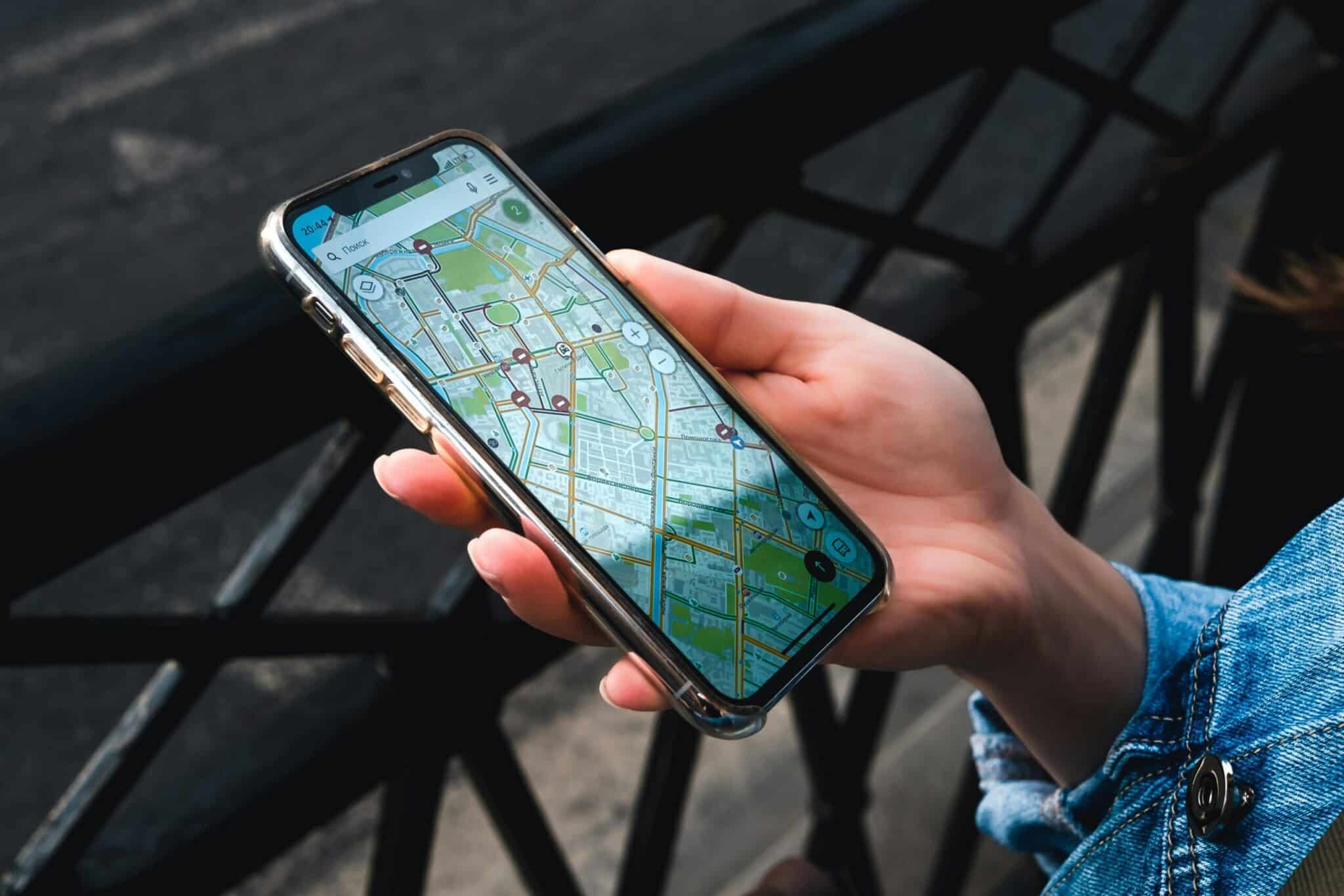
📱 Choosing the Right GPS App for Your Needs
Selecting the ideal GPS application depends on your specific requirements, device ecosystem, and personal preferences. No single app serves everyone perfectly, but understanding your priorities helps narrow the options.
Consider factors like interface design, feature set, community engagement, privacy policies, and offline capabilities. Test several popular options to experience their different approaches to navigation. Most people eventually develop strong preferences based on which app feels most intuitive and reliable for their typical journeys.
Device compatibility matters too. iPhone users might prefer Apple Maps for its deep iOS integration, while Android users often gravitate toward Google Maps for similar reasons. Cross-platform apps like Waze work well regardless of your device choice.
GPS applications have fundamentally changed how we experience travel and navigation. These powerful tools provide confidence, convenience, and safety whether you’re commuting daily or exploring new territories. By understanding their capabilities, optimizing settings, and choosing apps aligned with your needs, you transform every journey into a smoother, more enjoyable experience. The technology continues advancing, promising even more impressive features that will further enhance our ability to navigate the world with ease and precision.
