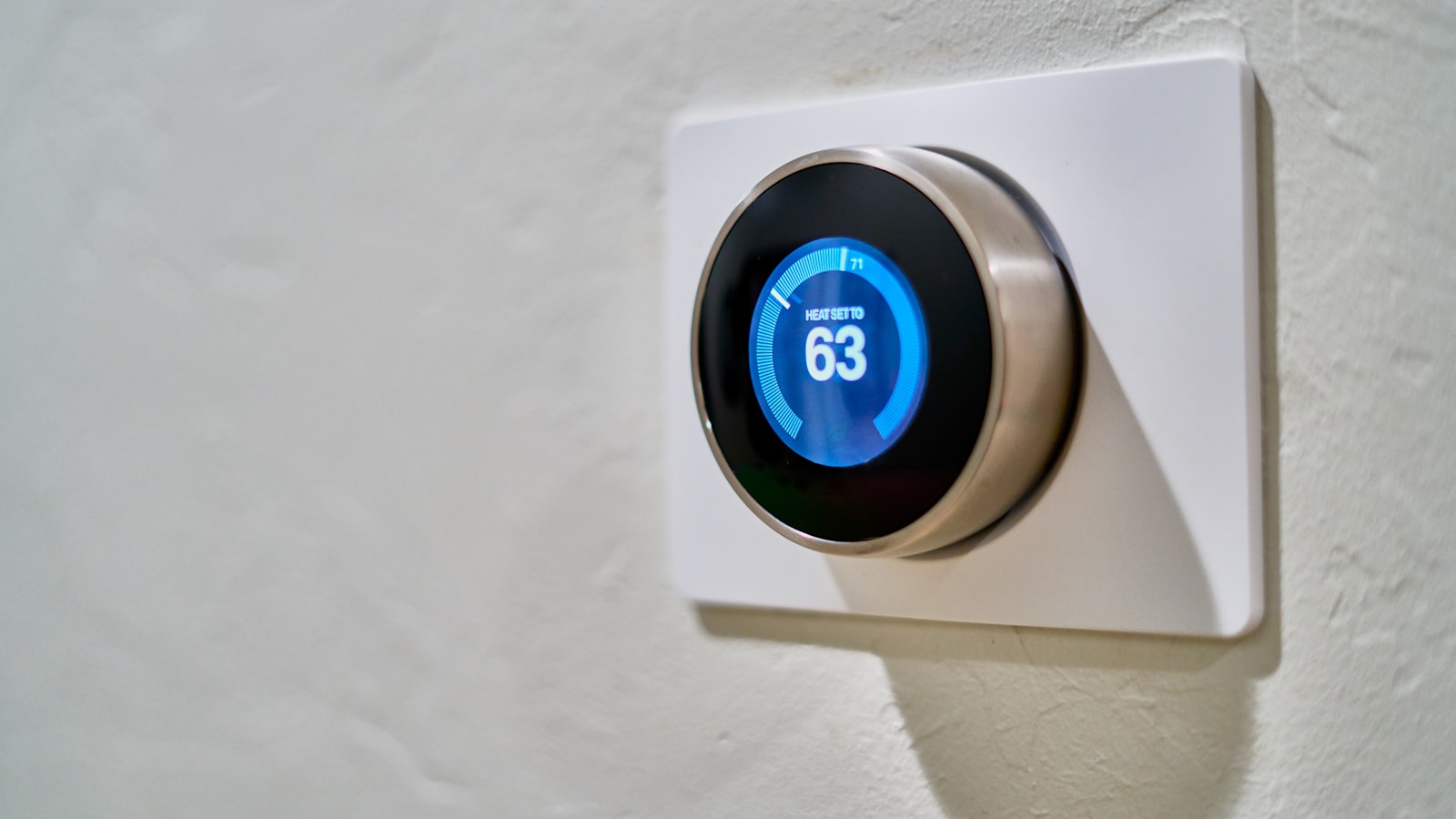
I have installed and lived with learning thermostats in three different homes now, and the question I get asked most often is the honest one: does the shiny puck on the wall actually pay for itself? The answer is a frustrating "it depends" — but it depends on things you can control. Let me walk you through what genuinely moves the needle, where the marketing gets ahead of reality, and how to squeeze real money out of one.
What "learning" actually means#
The word learning covers a few different behaviours, and it helps to separate them because they save money in very different amounts.
- Schedule learning. The thermostat watches when you nudge the temperature up or down over a week or two, then builds a schedule so it starts doing it automatically. This is the headline feature, and it's genuinely useful if you're the kind of person who never programmed the old thermostat.
- Occupancy sensing. Onboard motion sensors (and phone location) detect when the house is empty and let the temperature drift to save energy. This is where a lot of the real savings hide.
- Adaptive recovery. The unit figures out how long your home takes to heat or cool, so if you want 21°C by 7am, it starts early enough to hit that exactly rather than blasting the system.
Here's the uncomfortable truth: none of these do anything a disciplined person with a basic programmable thermostat couldn't do manually. The value is that most of us are not disciplined. If your old thermostat sat at one temperature 24/7 because programming it was a nightmare, a learning model will save you money almost by accident. If you already set back the temperature every night and every workday, the gains shrink dramatically.
Where the savings actually come from#
Almost all the reduction comes from one principle: not conditioning air you don't need to condition. Everything the device does is in service of that.
The biggest lever is the setback — letting the temperature drift while you sleep or while the house is empty. In heating season, dropping the target a few degrees overnight and during work hours is where the bulk of savings live. In cooling season, letting the house warm up while you're out does the same job in reverse. A learning thermostat's contribution is making those setbacks happen reliably without you thinking about it.
Adaptive recovery matters more than people expect, too. A dumb setback strategy often backfires because people crank the temperature the moment they get cold, overshooting and wiping out the savings. When the thermostat handles recovery intelligently, you get the comfort you wanted without the panic-driven overcorrection.
The habit factor#
I can't stress this enough: your old behaviour is the single biggest variable. Two identical houses on the same street with the same thermostat can see wildly different results purely because one family used to leave the heat running all day and the other already set it back. When you read a manufacturer's savings claim, mentally translate it to "savings versus a household that never adjusted their thermostat" — because that's usually the baseline being compared against, and it flatters the device.
My real-world experience#
In my current home — a draughty 1970s semi with an aging gas boiler — the switch was noticeable. The previous owners left me their habits baked into the wiring, essentially a constant setpoint. Over the first full heating season with schedules and geofencing dialled in, the difference on my gas usage was real and easy to see on the statements, though I won't pretend to a precise percentage because weather varies year to year and that muddies any clean comparison.
In a previous flat, though, it was a wash. I was already an obsessive manual setter-backer, the space was small and well insulated, and the heating ran rarely. The thermostat was more convenient, but I'd be lying if I said it paid for itself in energy alone. Convenience is a legitimate reason to buy one — just don't confuse it with savings.
The lesson from both: the messier your starting habits and the leakier your home, the more a learning thermostat gives you back.
Features that pull their weight — and ones that don't#
After a few years of this, here's my honest ranking.
Worth having:
- Geofencing. Using your phone's location so the system eases off when the last person leaves and warms up as someone approaches. This handles irregular schedules that fixed programs can't. It's the feature I'd least want to give up.
- Setback scheduling. The unglamorous core. Even a rough schedule captures most of the gain.
- Usage reports. Seeing when your system ran and for how long changed my behaviour more than any automation. Awareness is underrated.
Nice but oversold:
- Fancy AI-style optimisation. The claim that the device continuously "optimises" is mostly a schedule plus occupancy detection with a friendly name. It's fine, it just isn't magic.
- Remote control from your phone. Handy occasionally — turning the heat down after you've left, or up before you're home — but you'll use it far less than you imagine.
- Voice assistant integration. Genuinely convenient, essentially irrelevant to your bill.
The costs people forget#
Before you assume a payback, be honest about the full picture.
- The hardware itself isn't trivial, and the premium learning models cost meaningfully more than a basic programmable one that does 80% of the job.
- The C-wire problem. Many older heating systems don't have the extra "common" wire these thermostats want for constant power. You may need an adapter, or in some cases a call to an electrician or HVAC tech — an unglamorous cost that can quietly change the maths.
- Compatibility. Heat pumps, multi-stage systems, and some boiler setups have quirks. Check your specific system against the manufacturer's compatibility tool before buying, not after.
Check for rebates first#
This is the step almost everyone skips, and it's free money. Many energy utilities offer rebates on qualifying smart thermostats, sometimes knocking a large chunk off the price, occasionally covering it almost entirely in exchange for letting them nudge your setpoint a degree or two during peak-demand events. Some run ongoing programmes that pay you a small amount each season to participate. Before you buy anything, search your utility's website or call them — a rebate can transform the payback period from "years" to "immediate." I'd never buy one at full retail without checking.
How to set it up for maximum savings#
Owning the device is step one; configuring it well is where the money is. Here's the routine I follow on every install.
- Widen your comfort band. The savings scale with how far you let the temperature drift when you don't need it. In winter, set the "away" and "sleep" targets as low as you can genuinely tolerate — even one or two extra degrees of setback compounds over a season. In summer, the reverse.
- Turn on geofencing and give it a couple of weeks. Let it observe your real comings and goings before you judge it. Early on it will occasionally guess wrong; the accuracy improves.
- Don't override constantly. Every manual override teaches the schedule the wrong thing and blunts the automation. Adjust the schedule instead of grabbing the dial.
- Use the reports. Look at when your system actually ran. If it's firing at 3am for no reason, or recovering earlier than needed, tune it.
- Mind sensor placement. A thermostat in a hallway, above a radiator, or in direct sun reads the wrong temperature and runs the system needlessly. Many models support remote room sensors — use them if a key room reads differently from where the thermostat lives.
- Seal the easy leaks too. The thermostat can only manage the heat you have. A weekend of draught-proofing and a couple of blankets will amplify everything the device does.
So, do they cut your bills?#
Yes — conditionally. If you're coming from a "set it and forget it at one temperature" household, in a home that leaks heat, with a heating or cooling system that runs a lot, a learning thermostat will very likely lower your bills, and a utility rebate can make the purchase almost risk-free. If you're already a diligent manual programmer in a tight, efficient home, treat it as a convenience upgrade and set your expectations accordingly.
Either way, the device is only a tool. The savings come from setbacks, from not heating an empty house, and from your willingness to widen that comfort band a little. Buy for the right reasons, check for a rebate first, spend ten minutes setting it up properly — and let the thing do the discipline you were never going to do yourself.