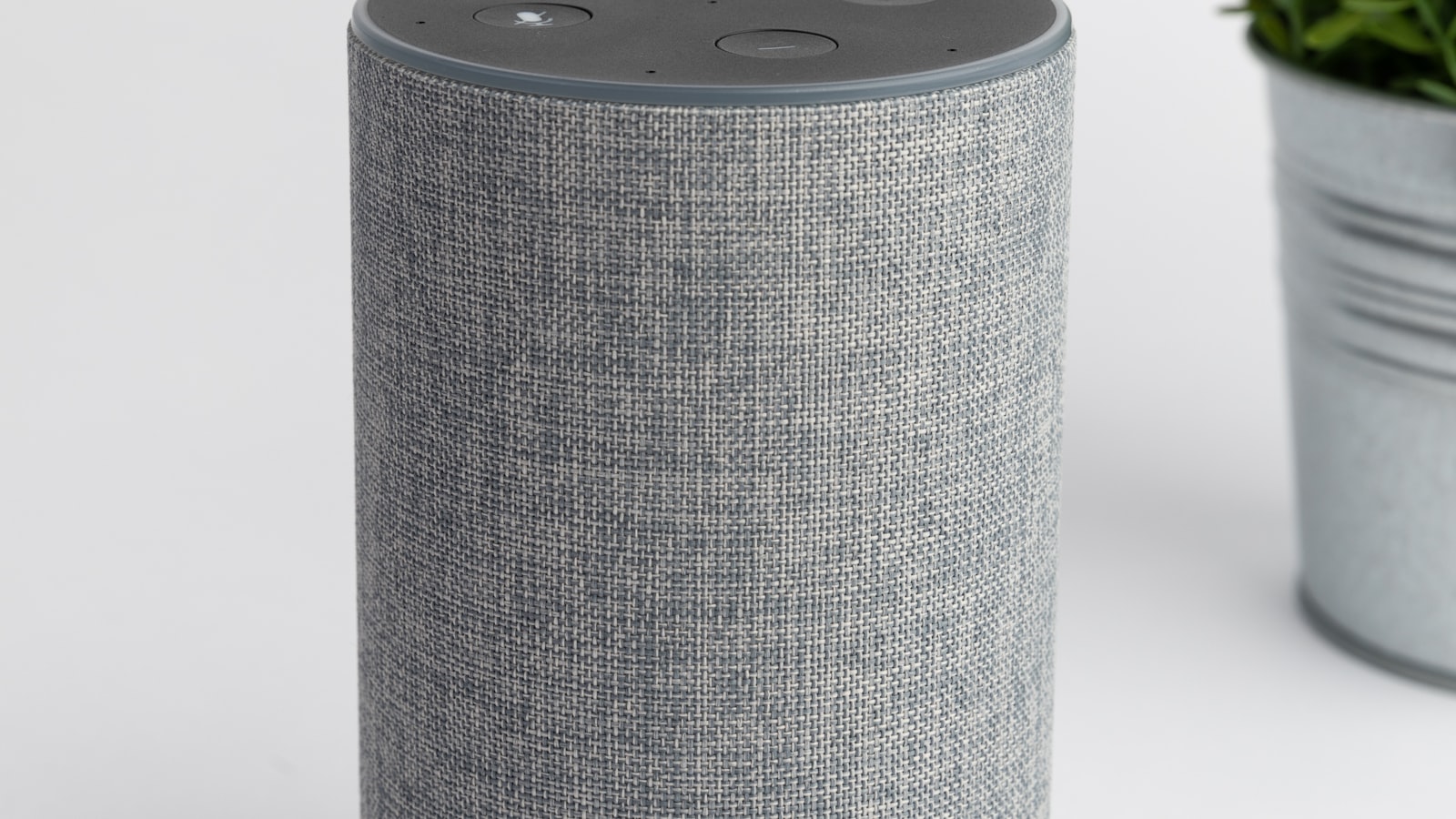
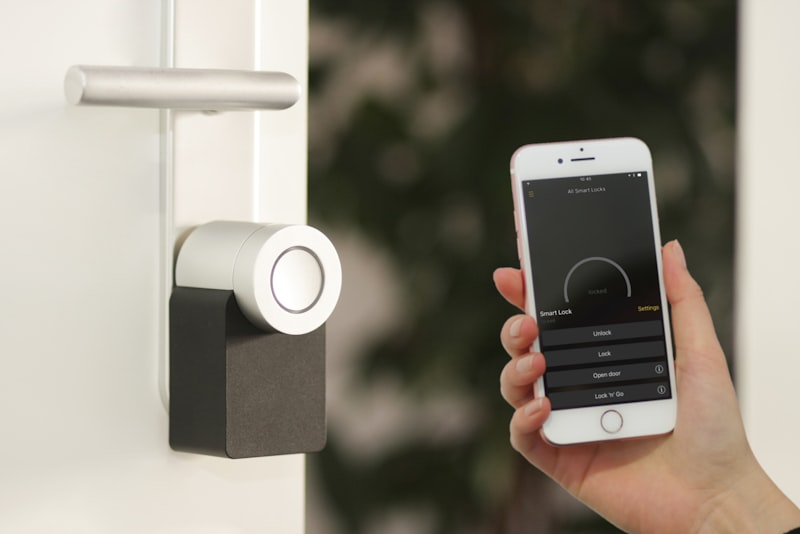
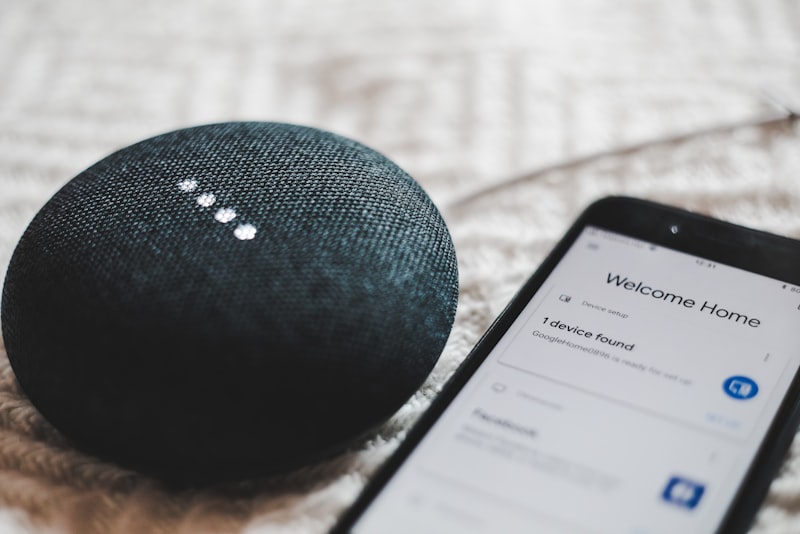
The hub is the single most consequential decision you make when you build out a smart home, and it is also the one most people get backwards. They buy a pile of gadgets first, then try to bolt a controller on top and wonder why half of it fights the other half. After years of ripping mine apart and rebuilding it, I want to save you that pain by comparing the three platforms most readers actually end up choosing: Samsung SmartThings, Home Assistant, and Apple Home.
What a hub actually does for you#
Strip away the marketing and a hub does three jobs. It speaks the radio protocols your devices use (Zigbee, Z-Wave, Thread, plus Wi-Fi and cloud APIs), it runs the automations that tie devices together, and it gives you one app instead of fourteen. The differences between platforms come down to how much of that work happens locally on hardware in your house versus in someone else's data center, and how much control you get over the automation logic.
A useful mental model: think of the hub as the nervous system, not the muscles. A great hub with mediocre bulbs still feels responsive and reliable. Excellent bulbs on a flaky hub feel broken. So this choice deserves more of your attention than the individual device purchases that follow it.
Two things matter more than any feature checklist:
- Where the "brain" lives. Cloud-dependent systems stop reacting the instant your internet drops. Local systems keep humming.
- How you'll feel about it in three years. A platform you outgrow means re-pairing dozens of devices. Choose for where you're heading, not just where you are today.
Apple Home: the path of least resistance#
If everyone in your household already lives on iPhones and you want the smart home to simply disappear into the background, Apple Home is the honest recommendation. Setup is genuinely the best in the category. You scan a Matter or HomeKit code, the device lands in a room you name, and Siri controls it. No account juggling, no firmware anxiety.
Where it shines#
- Rock-solid local control. With a Home Hub (a HomePod or Apple TV), your core automations run on-device. Lights triggered by motion still fire during an internet outage.
- Privacy posture. Apple's whole pitch is that your home data stays yours, and in practice the system leans on local processing far more than its rivals.
- It's calm. Fewer settings means fewer things to break. For a lot of families, that is the entire point.
Where it frustrates#
The device catalog is the narrowest of the three. Matter has widened it considerably, but you will still hit gadgets, cheaper sensors, oddball brands, that Apple simply won't onboard. The automation engine is also deliberately shallow: you get triggers, conditions, and scenes, but not loops, variables, or complex logic. When you want "if the back door has been open more than ten minutes and nobody's home and it's after sunset," you'll feel the ceiling. Apple Home is a walled garden with a beautiful lawn and a fence you cannot move.
SmartThings: the pragmatic middle#
Samsung SmartThings is where I point most people who want broad compatibility without becoming a hobbyist. It talks to an enormous range of brands, and recent Samsung TVs, fridges, and the newer hubs bake the controller right into hardware you may already own. The Routines builder is meaningfully more capable than Apple's, with time windows, device states, location, and member presence all available as conditions.
The trade-off to understand#
SmartThings historically leaned hard on the cloud. Samsung has pushed more processing local through the years, and a modern hub with an "Edge" driver can run key automations on-device, but the platform still assumes a healthy internet connection for the full experience. If your goal is a house that behaves identically during a storm-induced outage, verify that your specific devices support local execution before you commit. Not all do, and the app doesn't always make it obvious which is which.
A few practical notes from living with it:
- Zigbee and Z-Wave both work out of a single hub, which spares you from fragmenting your sensor network across radios.
- The app is busy. It's improved, but Samsung keeps reorganizing it, and features occasionally move or get renamed between updates.
- Account gravity. Everything routes through a Samsung account. That's fine, until Samsung deprecates something, which it has done before with older hubs.
SmartThings is the safe default: not the simplest, not the most powerful, but the one least likely to leave you stranded when you buy a random sensor on sale.
Home Assistant: total control, real commitment#
Home Assistant is what I run at home, so I'll be candid about both sides. It is open-source software you host yourself, usually on a small dedicated box like a Home Assistant Green or a Raspberry Pi with a Zigbee/Thread stick. Nothing about it depends on a company's cloud unless you choose to add that. Once it's dialed in, it is the most capable and most private option by a wide margin.
Why people fall in love with it#
- Everything is local by default. Your automations run in your house, full stop. Internet down? You'd never know.
- It integrates with almost anything. Thousands of integrations, official and community, mean the obscure device SmartThings ignores usually just works here.
- The automation engine is a real one. Templates, variables, conditions, scripts, helpers. You can express logic that the other two platforms can't touch, and you can debug it with actual traces.
- You own it. No feature gets taken away in an update because a business model changed.
Why it isn't for everyone#
Let me be direct: there is a learning curve, and it is not small. You'll edit YAML eventually. You'll spend a weekend on your first real setup. You are now the IT department, meaning backups, updates, and the occasional integration that breaks after a version bump are your responsibility. When something misbehaves at 11pm, there's no support line, there's a community forum and your own patience.
The payoff is that the ceiling is effectively invisible. But you should only sign up for that if tinkering sounds like a hobby rather than a chore. If the phrase "restore from backup" makes you tense, this is not your platform, and there's no shame in that.
How to actually choose#
Skip the feature spreadsheets and answer these questions honestly:
- Does everyone in the house use Apple devices, and do you want it simple above all? Choose Apple Home. Accept the narrower device list as the price of calm.
- Do you want wide brand support and a friendly-enough app without becoming a hobbyist? Choose SmartThings. It's the pragmatic middle.
- Do you care about local control, privacy, and unlimited automation, and does tinkering sound fun? Choose Home Assistant. Budget a weekend and enjoy it.
Two more field-tested guidelines:
- Weight local control heavily if you live somewhere with unreliable internet or power. A hub that goes dumb during every outage is worse than no automation, because you've trained your family to expect the lights to work and then they don't.
- Don't fixate on radios yet. Thread and Matter are steadily making cross-platform device support less painful. Pick the platform whose philosophy fits you; the protocol details increasingly sort themselves out.
A note on Matter#
Matter was supposed to make this whole decision irrelevant, one standard, every device, every platform. It has helped, genuinely. A Matter light bulb will pair with all three systems described here. But Matter standardizes basic control, not the advanced features that make each device interesting, and not the automation smarts that make each hub distinct. Treat Matter as a floor that guarantees baseline compatibility, not a reason to stop caring which hub you run.
The bottom line#
There is no universally "best" hub, only the best fit for how you actually live. If you want the smart home to be invisible and you're all-in on Apple, Apple Home will make you happiest with the least effort. If you want broad compatibility and a manageable app, SmartThings is the dependable middle ground. And if you want to own your setup outright, with local control and automations limited only by your imagination, Home Assistant rewards the effort like nothing else, provided you go in knowing it asks for that effort.
Whatever you pick, choose the hub first and let it guide your device purchases, not the other way around. Do that, and the rest of your smart home falls into place instead of fighting you every step.