
Anúncios
Old photos hold precious memories, but time can fade and damage them. Thankfully, modern technology offers powerful solutions to bring these treasured moments back to life.

Anúncios
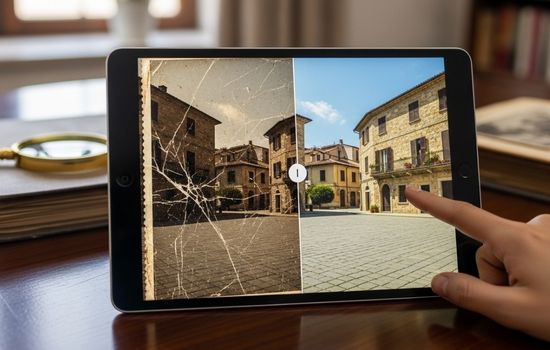
Photo restoration apps have revolutionized how we preserve family history. These intelligent tools use advanced algorithms to repair scratches, enhance colors, and even colorize black-and-white images with remarkable accuracy. Whether you’ve inherited a box of vintage photographs or discovered old family albums in the attic, these applications can help you restore them to their former glory.
The beauty of mobile restoration apps lies in their accessibility. You no longer need expensive software or professional skills to repair damaged photos. With just a few taps on your smartphone, you can transform faded, torn, or discolored images into crisp, vibrant memories ready to share with future generations. 📸
Why Old Photos Deteriorate Over Time
Anúncios
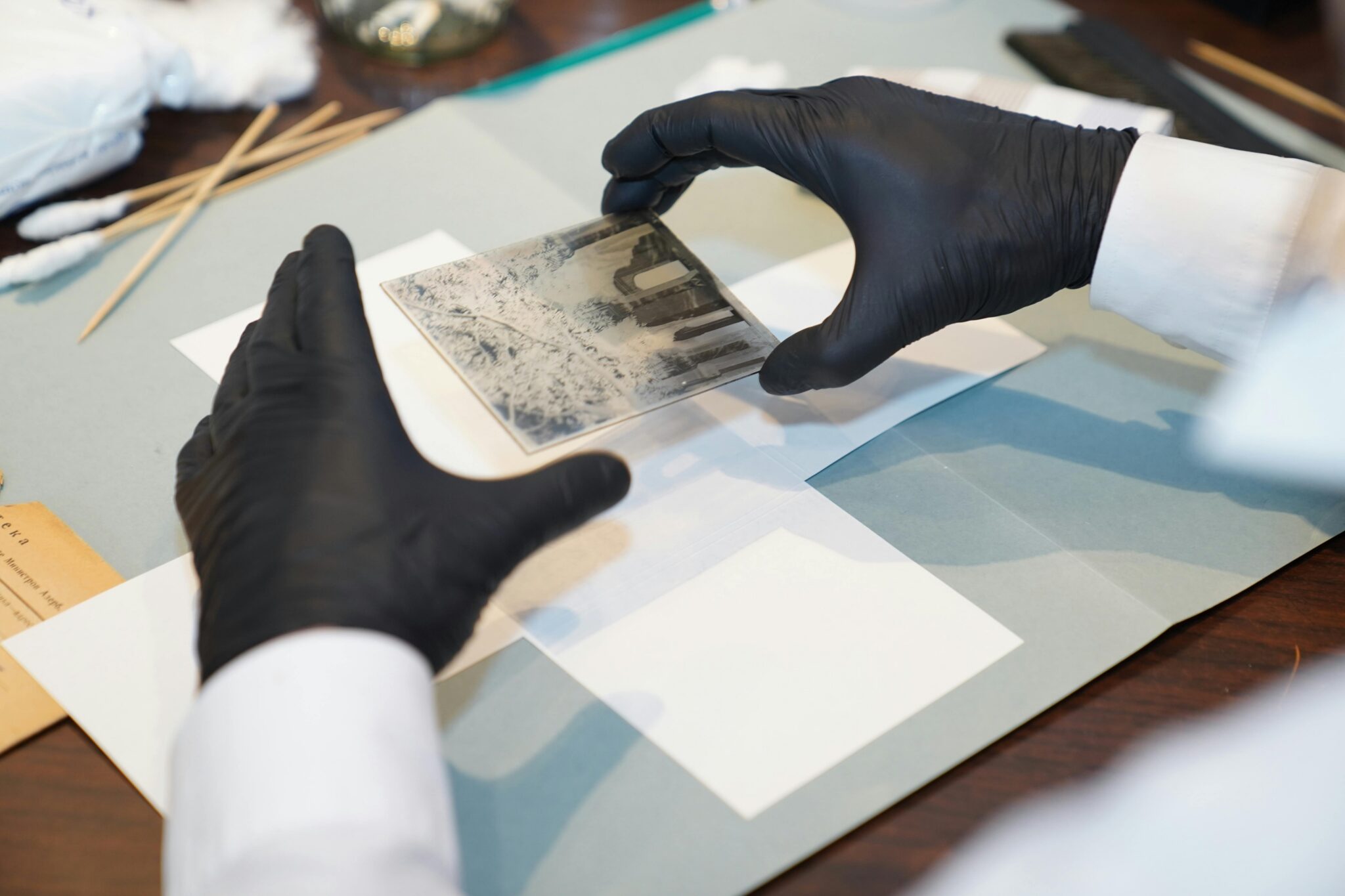
Understanding why photographs age helps us appreciate the importance of restoration. Physical photos are vulnerable to numerous environmental factors that gradually destroy them over decades.
Sunlight exposure causes chemical reactions in photo paper that lead to fading and yellowing. The UV rays break down the dyes and pigments, washing out colors and details. Humidity creates the perfect environment for mold growth, which appears as dark spots and stains on precious images.
Temperature fluctuations cause photos to expand and contract, leading to cracks and brittleness. Even the oils from our fingers when handling photographs contribute to degradation over time. These factors combine to create the worn, damaged appearance we associate with vintage photos.
How Photo Restoration Technology Works ✨
Modern restoration apps employ artificial intelligence and machine learning to analyze and repair damaged photographs. These technologies have advanced dramatically in recent years, making professional-quality restoration accessible to everyone.
The AI algorithms scan images for common damage patterns like scratches, tears, and discoloration. They then reference millions of photos in their training databases to predict what the original image likely looked like. This process happens in seconds, delivering impressive results that would take human experts hours to achieve.
Deep learning neural networks specifically trained on photo restoration can distinguish between actual image content and damage artifacts. They intelligently fill in missing information, smooth out imperfections, and enhance details without making the photo look artificially processed.
Color Restoration and Colorization
One of the most exciting features in modern restoration apps is automatic colorization of black-and-white photos. These tools don’t simply apply random colors—they use context-aware AI to make educated guesses about appropriate colors.
The technology analyzes objects, scenery, and clothing styles to assign realistic colors. Skin tones, sky blues, and vegetation greens are rendered with surprising accuracy. While not always perfect, the results often breathe new life into century-old photographs, helping us connect with the past in ways monochrome images cannot.
Key Features to Look for in Restoration Apps 🔍
When choosing a photo restoration application, certain features distinguish excellent tools from mediocre ones. Understanding these capabilities helps you select the right app for your needs.
- Automatic damage detection: The best apps identify scratches, tears, and blemishes without manual marking
- Color correction: Tools that adjust faded colors and remove yellow tinting from aged photos
- Resolution enhancement: Upscaling features that increase image quality and sharpness
- Face restoration: Specialized algorithms that focus on improving facial details and clarity
- Batch processing: Ability to restore multiple photos simultaneously, saving time on large collections
- Undo/redo functionality: Freedom to experiment with different restoration approaches
- Export options: High-resolution output formats suitable for printing and archiving
Step-by-Step Guide to Restoring Your Photos
Restoring old photographs doesn’t require technical expertise. Following a simple process ensures the best results while preserving the authenticity of your memories.
Step 1: Digitize Your Photos
Start by scanning or photographing your old pictures. Use good lighting and a flat surface to capture the clearest possible digital copy. Modern smartphone cameras work remarkably well for this purpose, though dedicated scanners produce higher quality results.
Step 2: Import to Your Restoration App
Open your chosen restoration application and import the digitized image. Most apps support various file formats including JPEG, PNG, and TIFF. Ensure the file isn’t compressed too heavily, as this can limit restoration quality.
Step 3: Apply Automatic Restoration
Use the app’s automatic restoration feature first. This typically handles most common issues like scratches, dust spots, and color correction. Review the results before proceeding to manual adjustments.


Step 4: Fine-Tune the Results
Adjust brightness, contrast, and saturation to achieve a natural appearance. Be careful not to over-process—the goal is restoration, not transformation. Subtle adjustments often yield the most authentic results.
Step 5: Save and Backup
Export your restored photo in the highest quality format available. Create multiple backups on cloud storage, external drives, and physical copies. Digital preservation ensures these memories survive for future generations.
Common Challenges in Photo Restoration 🛠️
While restoration apps are powerful, they face limitations with severely damaged photographs. Understanding these challenges helps set realistic expectations.
Photos with large torn sections pose difficulties because the AI must invent missing content based on surrounding pixels. While results can be impressive, completely fabricated areas may not match the original image. In such cases, manual editing or professional restoration might be necessary.
Extreme fading where most image detail has disappeared challenges even advanced algorithms. The software needs sufficient original information to work with—if the photo has become a nearly blank sheet, restoration options become limited.
Dealing with Water Damage and Mold
Water-damaged photos present unique restoration challenges. Mold stains, water spots, and chemical reactions create complex patterns that simple filters cannot remove. Modern AI-powered apps handle these issues better than traditional editing tools, but severely compromised photos may require multiple passes and manual touch-ups.
The key is patience and experimentation. Try different restoration tools within your app, adjust intensity settings, and don’t be afraid to start over if initial results aren’t satisfactory. Sometimes processing the image in stages—addressing scratches first, then color, then contrast—produces superior outcomes.
Preserving Authenticity While Enhancing Quality
One philosophical question in photo restoration concerns how much enhancement is appropriate. Should we simply repair damage, or improve upon the original photograph’s technical limitations?
Most restoration experts recommend a conservative approach that maintains the photo’s character and historical context. Over-sharpening, excessive saturation, or aggressive noise reduction can make vintage photos look artificially modern, disconnecting them from their era.
The grain texture in old film photography tells part of the story. While you can reduce it, eliminating it entirely erases evidence of the photographic process. Similarly, slight imperfections often contribute to a photo’s charm and authenticity.
Beyond Restoration: Creative Possibilities 🎨
Photo restoration apps offer more than damage repair. They open creative opportunities to reimagine historical images in new contexts.
Colorization transforms how we perceive historical events and figures. Seeing Civil War soldiers, Victorian families, or early 20th-century street scenes in color creates emotional connections impossible with monochrome images. These colorized versions don’t replace originals but complement them, offering fresh perspectives on the past.
Some apps allow combining multiple damaged photos to create composite images with the best elements of each. If you have several copies of the same photograph in different conditions, this feature can produce a superior master copy.
Sharing Your Restored Memories
Once you’ve restored precious photos, sharing them extends their value and ensures wider preservation. Digital platforms make this easier than ever before.
Create digital photo albums to share with family members across distances. Cloud-based services allow multiple relatives to contribute photos and collaborate on family history projects. These shared collections become living archives that grow over time.
Social media platforms dedicated to genealogy and family history connect you with distant relatives who might have additional photos or information. Your restored images might help others piece together their own family stories. 👨👩👧👦
Printing Restored Photos
Digital restoration doesn’t mean abandoning physical photographs. Printing restored images on archival-quality paper creates heirlooms for future generations.
Modern printing technology produces stunning reproductions that often surpass the quality of original prints. Use professional printing services that specialize in archival materials to ensure your restored photos last another century.
Consider creating photo books that combine restored images with family stories and historical context. These tangible keepsakes become treasured possessions that connect younger generations to their heritage.
The Emotional Impact of Photo Restoration 💝
Beyond technical achievement, photo restoration carries profound emotional significance. Seeing a grandparent’s face clearly for the first time or revealing details hidden by decades of deterioration creates powerful moments.
Many people report crying when they first see beloved relatives restored to clarity in old photographs. These images aren’t just pictures—they’re portals to people, places, and times that shaped our families and identities.
For elderly family members, seeing childhood photos restored can trigger memories thought lost forever. The enhanced clarity helps them recall details about the people, places, and events captured in the images, preserving oral histories that might otherwise disappear.
Building Your Digital Archive Strategy
Restoration is only the first step in comprehensive photo preservation. Creating a robust digital archive ensures your work survives technological changes and accidental losses.
Follow the 3-2-1 backup rule: maintain three copies of each photo, on two different media types, with one copy stored off-site. Cloud storage services provide convenient off-site backup, while external hard drives offer local access and control.
Organize photos with clear, consistent naming conventions and metadata. Include dates, locations, and names of people in the photos when known. This information helps future generations understand and appreciate the images.
Future Trends in Photo Restoration Technology 🚀
Photo restoration technology continues advancing rapidly. Understanding emerging trends helps you anticipate new capabilities and plan future preservation projects.
Artificial intelligence will become even more sophisticated at predicting missing information in damaged photos. Future apps may reliably reconstruct severely damaged sections with minimal original data, using vast databases of historical photographs as references.
3D reconstruction from old photos represents an exciting frontier. Researchers are developing technology that converts flat photographs into three-dimensional models, allowing viewers to virtually explore historical spaces and scenes from different angles.
Integration with genetic genealogy and historical databases may automatically identify people, places, and dates in old photographs. Imagine uploading a photo and receiving information about when and where it was taken, who appears in it, and how it connects to your family tree.
Making the Most of Your Restoration Journey
Photo restoration apps democratize access to powerful preservation tools, but success requires more than technology. Patience, experimentation, and respect for the original images guide the best restoration projects.
Start with less precious photos to practice techniques and understand your chosen app’s capabilities. As your skills develop, tackle more important or challenging images. Remember that even imperfect restoration is better than allowing photos to continue deteriorating.
Connect with online communities dedicated to photo restoration. These forums offer advice, inspiration, and solutions to specific challenges. Sharing your successes and struggles helps others while improving your own skills.
Most importantly, enjoy the process. Each restored photo represents a connection to the past, a story preserved, and a gift to future generations. The time you invest in restoration creates value far beyond the digital files themselves—you’re preserving family heritage and honoring the memories of those who came before. 🌟
