
Anúncios
Fractal environmental mapping reveals nature’s hidden architectural blueprints, transforming how we understand, analyze, and interact with the complex ecosystems surrounding us daily.
🌿 The Mathematical Poetry Hidden in Nature’s Design
Anúncios
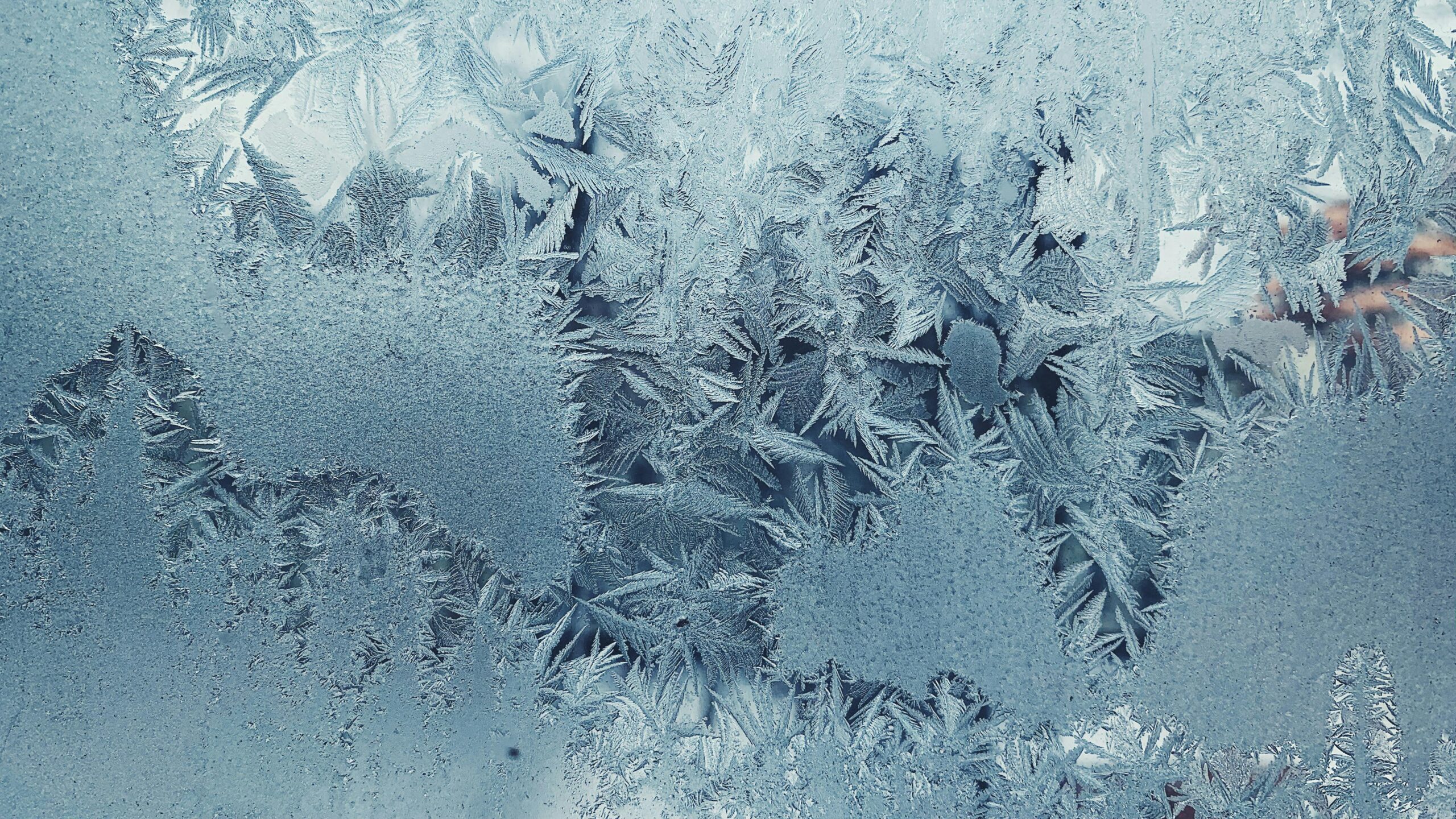
When you look closely at a fern leaf, a coastline, or a cloud formation, you’re witnessing one of nature’s most elegant secrets: fractals. These infinitely complex patterns repeat at every scale, from microscopic cellular structures to vast mountain ranges. Fractal environmental mapping harnesses this natural phenomenon to create unprecedented insights into ecological systems, climate patterns, and environmental conservation strategies.
The term “fractal” was coined by mathematician Benoit Mandelbrot in 1975, derived from the Latin word “fractus,” meaning broken or fractured. Unlike traditional Euclidean geometry with its smooth lines and perfect circles, fractal geometry embraces the rough, irregular, and infinitely detailed patterns that dominate the natural world. This paradigm shift has revolutionized how scientists, environmentalists, and urban planners approach spatial analysis and environmental modeling.
Anúncios
Fractal environmental mapping applies these mathematical principles to create detailed, multi-scale representations of natural landscapes. By recognizing and analyzing repeating patterns across different magnifications, researchers can predict ecosystem behaviors, identify environmental stressors, and develop more effective conservation strategies with remarkable precision.
🔍 Understanding the Fractal Dimension in Environmental Systems
The fractal dimension is a statistical measure that quantifies how completely a fractal fills space as you zoom in on it. Unlike traditional dimensions (1D for lines, 2D for surfaces, 3D for volumes), fractal dimensions can be non-integer values, reflecting the complex, space-filling nature of natural patterns.
In environmental mapping, calculating fractal dimensions provides critical insights into ecosystem complexity and health. A coastline with a higher fractal dimension indicates greater irregularity and typically supports more diverse habitats. Forest canopies with specific fractal characteristics correlate with particular biodiversity levels, while river networks display fractal branching patterns that reveal watershed health and erosion patterns.
Consider how tree branching follows fractal principles: each large branch splits into smaller branches, which divide into even smaller twigs, maintaining similar angles and proportions at every level. This self-similarity isn’t merely aesthetic—it optimizes the tree’s ability to capture sunlight, distribute nutrients, and withstand environmental stresses. Environmental mappers use these patterns to assess forest health, predict growth patterns, and identify areas requiring intervention.
Quantifying Complexity: The Box-Counting Method
One of the most common techniques for determining fractal dimensions in environmental mapping is the box-counting method. This approach overlays a grid of boxes onto an environmental feature—such as a forest boundary or river system—and counts how many boxes contain part of the feature. By repeating this process with progressively smaller boxes, researchers can calculate the fractal dimension based on how the count changes with box size.
This method has proven invaluable for analyzing satellite imagery, where vast landscapes can be systematically evaluated for changes in vegetation patterns, urban sprawl, deforestation, and habitat fragmentation. The resulting data provides quantifiable metrics that transcend subjective visual assessments.
🌍 Applications Across Environmental Science and Conservation
Fractal environmental mapping has found applications across numerous disciplines, fundamentally changing how professionals approach spatial environmental challenges.
Climate Modeling and Weather Prediction
Cloud formations exhibit remarkable fractal properties, with similar patterns visible whether you’re observing from a satellite hundreds of miles up or standing on the ground. Meteorologists leverage fractal analysis to improve weather prediction models, particularly for complex phenomena like thunderstorm development, hurricane formation, and rainfall distribution patterns.
Fractal dimensions of cloud boundaries correlate with precipitation intensity and storm severity. By incorporating fractal analysis into climate models, researchers have enhanced prediction accuracy for extreme weather events, providing communities with earlier warnings and better preparation time.
Biodiversity Assessment and Habitat Monitoring
Ecological complexity often manifests in fractal patterns. Research has established connections between landscape fractal dimensions and species diversity—environments with higher fractal complexity typically support more varied ecosystems. This relationship enables rapid biodiversity assessment using remote sensing technologies.
Conservation organizations now employ fractal mapping to identify critical habitats, design wildlife corridors, and prioritize protection areas. By analyzing the fractal structure of landscape patches, planners can predict which areas will best support endangered species and maintain ecological connectivity across fragmented habitats.
Urban Planning and Sustainable Development
Cities themselves display fractal characteristics in their street networks, building distributions, and green space arrangements. Urban planners utilize fractal analysis to design more efficient transportation systems, optimize park placement, and create sustainable development patterns that harmonize with natural landscapes.
Studies comparing cities worldwide have revealed that those with higher fractal dimensions in their street networks tend to have better walkability, reduced traffic congestion, and improved air quality. This knowledge informs smart city initiatives and helps communities develop more livable urban environments.
🛰️ Technology Powering Fractal Environmental Mapping
The practical application of fractal environmental mapping relies heavily on advanced technology platforms that can process vast amounts of spatial data and perform complex mathematical calculations.
Remote Sensing and Satellite Imagery
Modern satellite systems provide unprecedented access to high-resolution environmental data. Platforms like Landsat, Sentinel, and commercial satellites capture multispectral imagery that reveals features invisible to the human eye. When combined with fractal analysis algorithms, this data unveils patterns spanning continental scales down to individual ecosystems.
Time-series satellite data enables researchers to track environmental changes over decades, identifying trends in deforestation, desertification, urban expansion, and habitat loss. Fractal analysis of these temporal datasets reveals not just what changed, but how the fundamental complexity of landscapes evolves under different pressures.
Geographic Information Systems (GIS) Integration
Geographic Information Systems serve as the backbone for fractal environmental mapping projects. These powerful platforms integrate spatial data from multiple sources, apply fractal analysis algorithms, and visualize results in accessible formats for decision-makers.
Modern GIS software includes specialized tools for fractal dimension calculation, spatial pattern analysis, and predictive modeling. Researchers can overlay fractal metrics with other environmental variables—soil types, elevation, precipitation, temperature—to build comprehensive understanding of ecosystem dynamics.
Machine Learning and Artificial Intelligence
The latest frontier in fractal environmental mapping involves machine learning algorithms that can automatically identify and classify fractal patterns in environmental data. Neural networks trained on thousands of landscape images can now recognize fractal signatures associated with specific ecosystem types, degradation patterns, or biodiversity levels.
These AI-powered tools dramatically accelerate analysis that previously required extensive manual calculation. Researchers can now process continental-scale datasets in hours rather than months, enabling real-time environmental monitoring and rapid response to ecological threats.
📊 Measuring Impact: Fractal Metrics in Action
The true value of fractal environmental mapping emerges when we examine specific case studies demonstrating its practical applications and measurable outcomes.
Amazon Rainforest Deforestation Tracking
Scientists monitoring the Amazon rainforest have applied fractal analysis to satellite imagery spanning multiple decades. By calculating the fractal dimension of forest edges, researchers can distinguish between natural forest boundaries and those created by human activities. Deforestation creates straighter, less complex edges with lower fractal dimensions compared to natural forest margins.
This distinction enables automated detection of illegal logging and agricultural encroachment, providing enforcement agencies with actionable intelligence. Studies show that areas with rapidly decreasing edge fractal dimensions correlate strongly with biodiversity loss and disrupted ecosystem services.
Coral Reef Health Assessment
Underwater environments present unique mapping challenges, but fractal analysis has proven effective for assessing coral reef health. Healthy reefs exhibit high fractal complexity, with intricate branching patterns and diverse surface textures. As reefs degrade due to bleaching, pollution, or physical damage, their fractal dimension decreases measurably.
Marine biologists now use fractal metrics derived from underwater photography and sonar imaging to quantify reef health objectively. This approach provides consistent, comparable measurements across different reef systems and enables tracking of restoration project success over time.
🎯 Challenges and Limitations in Fractal Environmental Mapping
Despite its powerful capabilities, fractal environmental mapping faces several practical and theoretical challenges that researchers continue to address.
Scale Dependency and Range Selection
Fractal patterns don’t extend infinitely in nature—there are both upper and lower limits to self-similarity. Determining the appropriate scale range for analysis requires careful consideration of the specific environmental feature being studied. Incorrect scale selection can produce misleading fractal dimensions that don’t accurately represent the system’s complexity.
Researchers must validate their chosen scale ranges using ground-truth data and ecological knowledge. This requirement introduces subjective elements into what otherwise appears to be purely mathematical analysis.
Data Resolution and Quality Issues
Fractal analysis is sensitive to data quality. Satellite imagery resolution, processing artifacts, seasonal variations, and atmospheric conditions all affect the accuracy of fractal dimension calculations. Low-quality data can generate spurious patterns or obscure genuine fractal structures.
Addressing these challenges requires rigorous data preprocessing, multiple sensor comparisons, and validation against field observations. The computational demands of processing high-resolution data across large areas also present practical limitations for resource-constrained research projects.
Interpretation and Ecological Meaning
While fractal metrics provide quantitative measures of spatial complexity, translating these numbers into meaningful ecological insights requires interdisciplinary expertise. A particular fractal dimension value doesn’t automatically indicate “good” or “bad” environmental conditions—context matters enormously.
The most effective fractal environmental mapping projects involve collaboration between mathematicians, ecologists, geographers, and local stakeholders who can provide essential context for interpreting quantitative results.
🚀 Future Horizons: Where Fractal Mapping is Heading
The field of fractal environmental mapping continues to evolve rapidly, with exciting developments on the horizon that promise to expand its capabilities and applications.
Real-Time Environmental Monitoring Networks
Emerging sensor networks and Internet of Things (IoT) devices are creating unprecedented opportunities for continuous environmental monitoring. When integrated with fractal analysis algorithms, these systems could provide real-time alerts for ecosystem changes, enabling rapid intervention before damage becomes irreversible.
Imagine a network of ground sensors, drones, and satellites working together to continuously calculate fractal metrics across protected areas. Sudden drops in complexity measurements could trigger immediate investigation, catching poaching activities, illegal logging, or pollution events as they occur.
Citizen Science and Democratized Mapping
Mobile applications are bringing fractal environmental mapping capabilities to broader audiences. Citizen scientists equipped with smartphones can now contribute to large-scale environmental monitoring projects, capturing images that feed into fractal analysis systems.
This democratization of environmental science engages communities directly in conservation efforts while generating valuable data across geographic areas that professional researchers cannot monitor continuously. Educational components in these applications also raise public awareness about fractal patterns in nature and environmental complexity.
Cross-Planetary Applications
As space exploration advances, fractal environmental mapping is finding applications beyond Earth. Planetary scientists apply fractal analysis to Martian surface features, identifying ancient river networks, assessing landing site safety, and searching for patterns suggesting past or present biological activity.
The techniques developed for Earth-based environmental mapping translate surprisingly well to alien landscapes, providing a universal language for understanding natural processes across different worlds.
🌱 Practical Steps for Getting Started with Fractal Environmental Mapping
For professionals interested in incorporating fractal analysis into their environmental work, several accessible pathways exist for building competency in this field.
Educational Resources and Training
Numerous online courses now cover fractal geometry and its environmental applications. Universities offer specialized programs in spatial analysis, remote sensing, and ecological modeling that incorporate fractal methods. Self-directed learners can access research papers, tutorial videos, and open-source software documentation to build foundational knowledge.
Starting with simplified examples—analyzing local tree branching patterns or coastline complexity—provides hands-on experience with fractal concepts before tackling large-scale mapping projects.
Software Tools and Platforms
Several software packages offer fractal analysis capabilities, ranging from specialized research tools to plugins for mainstream GIS platforms. Open-source options like QGIS with fractal analysis extensions provide accessible entry points without significant financial investment.
Programming languages like Python and R offer extensive libraries for fractal dimension calculation, enabling custom workflows tailored to specific research questions. The scientific community actively shares code and methodologies, accelerating the learning process for newcomers.
Collaboration and Community Engagement
The fractal environmental mapping community is notably collaborative, with researchers regularly sharing datasets, methodologies, and insights. Professional organizations, online forums, and academic conferences provide networking opportunities and knowledge exchange.
Partnering with experienced practitioners on initial projects builds practical skills more effectively than isolated study. Many established researchers welcome collaboration with newcomers who bring fresh perspectives and local environmental knowledge.
💡 Transforming Environmental Understanding Through Pattern Recognition
Fractal environmental mapping represents more than just another analytical technique—it fundamentally shifts how we perceive and interact with natural systems. By recognizing that nature speaks in the language of self-similar patterns repeating across scales, we gain powerful tools for prediction, conservation, and sustainable management.
The patterns revealed through fractal analysis connect microscopic processes to landscape-level phenomena, individual trees to entire forests, single organisms to complex ecosystems. This holistic perspective aligns perfectly with contemporary understanding of interconnected environmental systems where changes at any scale ripple throughout the whole.
As climate change accelerates and human pressures on natural systems intensify, the need for sophisticated environmental monitoring and management tools becomes increasingly urgent. Fractal mapping provides quantitative, objective metrics that cut through complexity and reveal underlying system health. These insights empower decision-makers with evidence-based understanding, supporting more effective policies and interventions.
The journey into fractal environmental mapping opens doors to seeing nature with new eyes—recognizing the intricate mathematical elegance underlying apparently chaotic natural forms. Every coastline, every tree, every cloud becomes a testament to the fundamental principles governing our planet’s environmental systems. By unleashing the power of fractal analysis, we equip ourselves to be better stewards of the remarkably complex, beautifully patterned world we inhabit.
Whether you’re a conservation biologist seeking better biodiversity assessment tools, an urban planner designing sustainable cities, or simply someone fascinated by nature’s hidden structures, fractal environmental mapping offers transformative insights. The patterns are there, waiting to be discovered—all we need is the curiosity to look and the tools to see what nature has been showing us all along. 🌎
